
The ME Association is pleased to announce funding for a new 12-month research project at University College London (UCL) that will look for biological “markers” in the blood of people with ME/CFS and Long Covid. These markers — known as biomarkers — could one day help improve diagnosis, understanding, and treatment of both conditions.
The project will be based at the UK Dementia Research Institute’s Fluid Biomarker Laboratory, led by Sophie Hicks, Research Assistant at UCL Institute of Neurology. With senior support from Dr Amanda Heslegrave (co-leader for the UK DRI Biomarker Factory), Dr Michael Zandi (who has a special interest in neuroimmunology), Professor Henrik Zetterberg, and clinical collaborators including Dr Melissa Heightman and Prof Emma Wall, clinical academic.
What the study will do
This research will analyse blood samples from people with ME/CFS, Long Covid, and healthy volunteers. They will use a highly sensitive new technology (called ALAMAR Bioscience’s NULISA technology) that can measure hundreds of proteins linked to the immune system and the brain — including many that are normally too low to detect with standard tests.
Samples will be sourced from the UK ME/CFS Biobank and the UCLH STIMULATEICP Long Covid study, ensuring robust and well characterised cohorts.
By comparing the different groups, the team hopes to find:
- Biomarkers that are specific to ME/CFS
- Biomarkers that are specific to Long Covid
- Biological similarities and differences between the two conditions
- Links between certain symptoms (such as brain fog, headaches, or muscle pain) and changes in the blood
Why this matters
There is no diagnostic test for ME/CFS or Long Covid. People often face long delays, uncertainty, and misdiagnosis. Finding reliable biomarkers would be a major step forward. It could help:
- Speed up diagnosis
- Improve understanding of the underlying biology
- Support the development of new treatments
- Help clinicians monitor how the illness changes over time
- Examining ME/CFS and Long Covid together could help to find key differences
This project is a pilot study, meaning it will lay the groundwork for larger research efforts in the future.
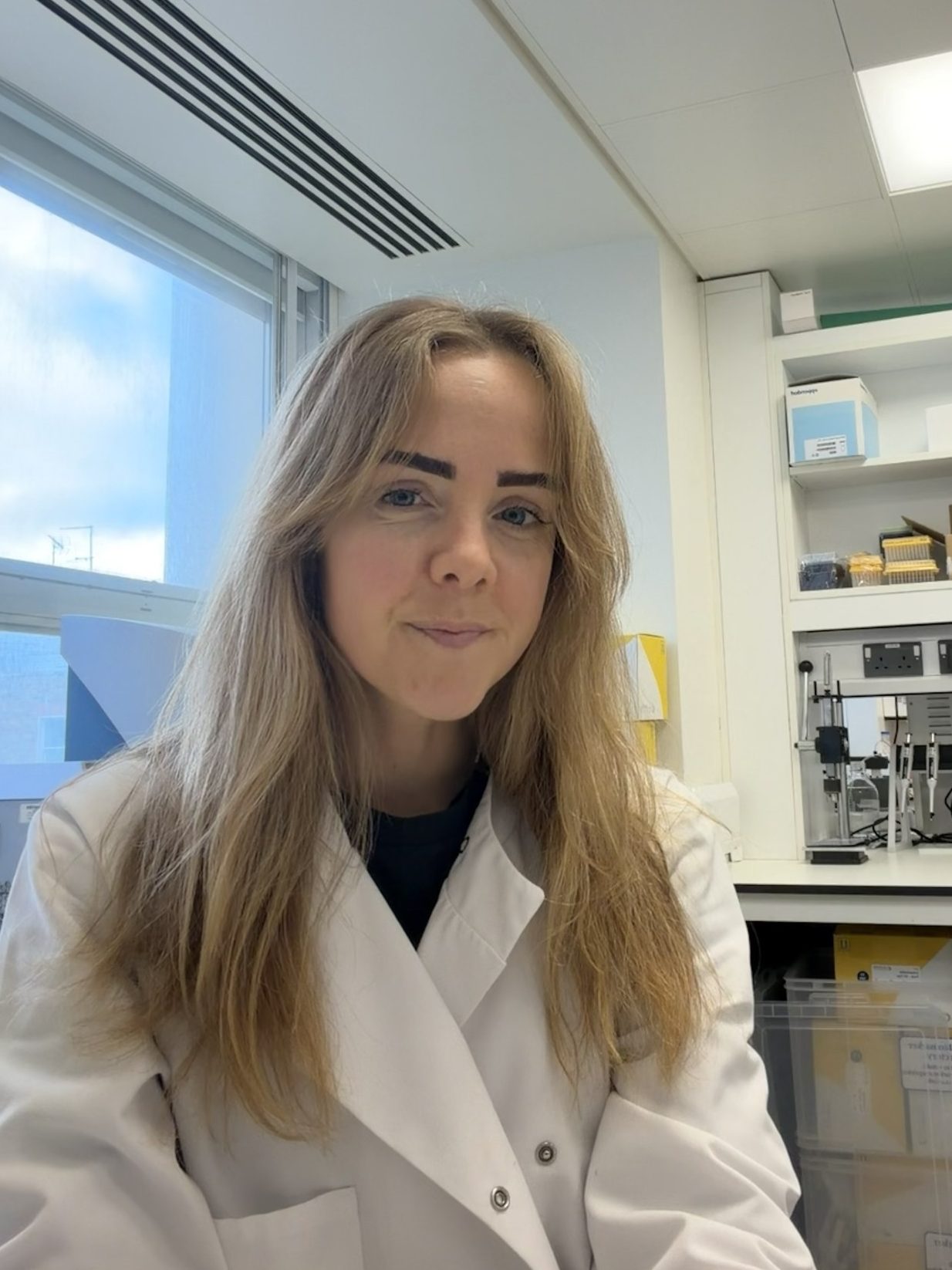
“I have experienced first-hand the devastating impact that both ME and Long-COVID have on a person's life after both my mother and sister were diagnosed a few years ago. Having worked in UCL's Fluid Biomarker lab and seeing the impact that identifying fluid-based biomarkers has had for the research and treatment of other health conditions, I am highly motivated and excited to utilise our facilities to contribute to ME and Long-COVID research. This project will provide information that we can build on to improve patient care, diagnostics, and understanding of ME and Long-COVID.”
Sophie Hicks, Research Assistant and PhD Student
More Information:
- MEA- The UK ME/CFS Biobank | September 11, 2025
- Cure ME- UK ME/CFS Biobank
- STIMULATE-ICP