
Kieran Barnaville (23) from Leatherhead, who was bedbound for 10 years with severe ME, has shared his story on Radio Jackie to help raise awareness of ME/CFS. Dr Charles Shepherd, MEA Hon. Medical Adviser, was interviewed as well on this local South West London radio station, and his segment was aired on the 7th October, and also included in this segment with Kieran. Further comments from Dr Shepherd about the radio interview can be found below.
Read more about Kieran's Story:
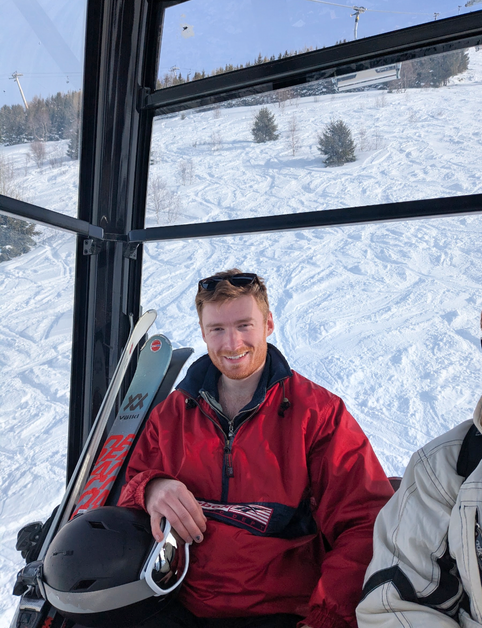
Kieran spent years unable to move, speak or leave his bed after developing severe ME/CFS as a teenager. Aged 13, Kieran was an active, sporty teenager with no health issues. After contracting glandular fever during a rugby tour, Kieran’s health rapidly deteriorated and he developed severe Myalgic Encephalomyelitis/Chronic Fatigue Syndrome (ME/CFS), a debilitating neurological condition that can affect every aspect of daily life.
Within a short space of time, Kieran became completely bedbound. “Everything shut down. I didn't think I would make it. I had no function at all, but my brain was alive. It was like being trapped inside my own body,” explains Kieran.
It is estimated that at least 404,000 people in the UK have ME (Myalgic Encephalomyelitis), also known as CFS (chronic fatigue syndrome), and around 25% of these people may have severe or very severe symptoms for prolonged periods. ME is a multisystemic disease. Symptoms include profound fatigue, sleep disturbance, post-exertional malaise, cognitive difficulties and a range of other symptoms including pain, headaches, nausea and intolerance to lights and noise. The severity and intensity of ME symptoms means that people can be housebound/bedbound for years often needing support with daily activities.
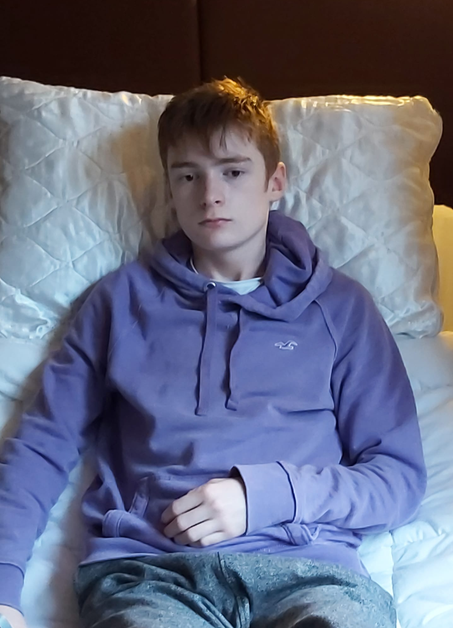
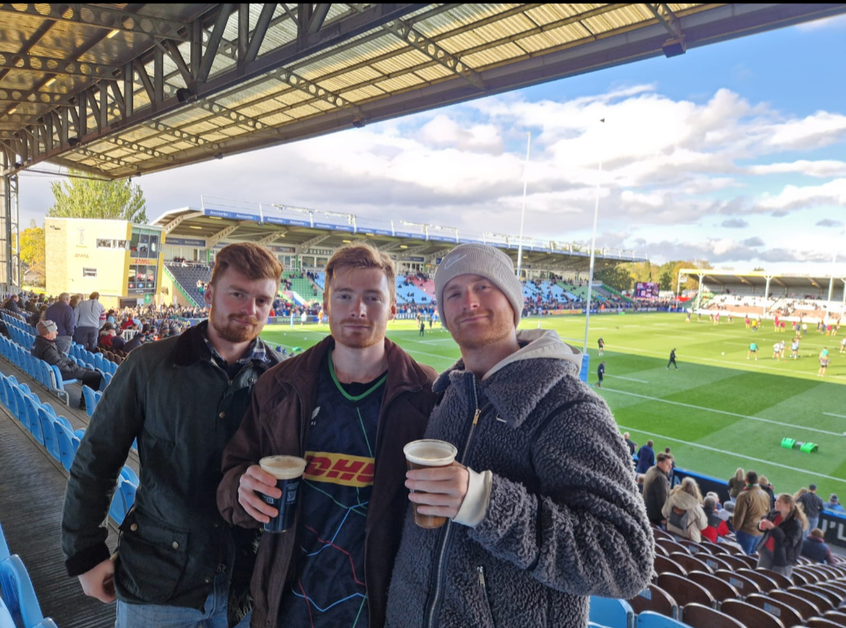
At the most severe stage of his illness, Kieran was unable to move from the chest down and lost the ability to speak, and needed extensive support. As one of six siblings, Kieran's family played a crucial role in his care and recovery, and rallied around him to support.
Communication was initially limited to blinking, before Kieran progressed to using a voice-assisted communication app. Kieran was home-schooled and his lessons initially lasted just one minute due to the severity of his symptoms. He achieved three GCSEs and later completed a university degree while still largely housebound, adapting his studies to fit within his strict energy limits.
Kieran spent more than a decade gradually improving, carefully managing his energy and increasing activity levels only when his body could tolerate it. “One day I regained movement in my little finger. Then gradually movement returned to my arms and legs. About a year later I could speak again. It took another three-and-a-half years before I had full physical function,” Kieran explains.
The slow but steady progress eventually enabled him to move from being bedbound to using a mechanical wheelchair and later regaining greater mobility and independence.
Today, more than a decade after becoming severely ill, Kieran is working full-time for one of his brothers, whose experiences helping to care for Kieran inspired the creation of an adaptive care business.
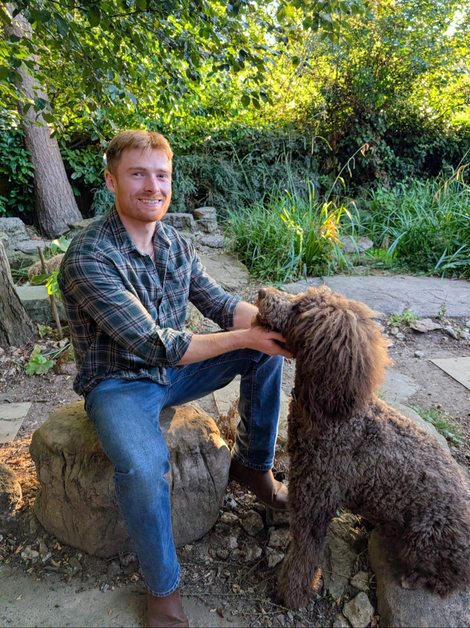
Kieran said, “For the first time in a decade, I'm learning how to interact with the world again. Being able to make a cup of tea, cook dinner or walk my dog are things that mean so much to me now. If I can tell people what happened to me and give them hope, then that's worthwhile. Even if my story helps just one person feel that things can get better, that would mean the world to me.”
Kieran continues to experience mild symptoms and considers himself someone who still has mild ME.
“Severe ME can be a profoundly debilitating condition, leaving people isolated from education, work, family life and the world around them. Kieran's story offers an insight into the realities of living with severe ME and the long, often unpredictable nature of improvement. We are grateful to him for sharing his experience and helping to raise awareness of this misunderstood condition.”
Martine Ainsworth-Wells, trustee and campaigns director at The ME Association
N.B. Having a positive mental attitude may help some people to deal with the emotional aspect of having ME/CFS, as a chronic long-term illness (with currently no effective treatments or a cure) can be understandably difficult to deal with. However, we are all individuals and what may help one person may not be suitable for another person with this disease.
Dr Charles Shepherd's Comments:
Firstly, thanks to Kieran for doing this comprehensive radio interview about how he developed a very severe form of ME/CFS following glandular fever as a teenager and how he has been very lucky to have made a slow but significant degree of improvement over a considerable period of time.
Kieran has obviously been fortunate in having a great deal of support from all of his family and friends, his school, and the health professionals who have been looking after him during this time. This high level of support may well have made a significant contribution to the improvement that has taken place.
Having a positive mental attitude may also help some people deal with the emotional aspect of having ME/CFS, as having any chronic long-term illness with no effective treatments or a cure can be very difficult to deal with. However, we are all individuals and what may help one person may not be suitable for another person who has ME/CFS.
Secondly, just a couple of points in addition to those I make in the interview with Chloe that follows the one with Kieran:
Whilst there is research evidence to indicate that some people with ME/CFS (and Long Covid) have low levels of what are called autoantibodies (ie antibodies that attack body tissues rather than providing protection from infections and allergies) we don't currently have sufficient evidence to say that ME/CFS is an autoimmune disease.
And while many people with Long Covid have one of more of the key diagnostic symptoms of ME/CFS, and some meet diagnostic criteria for ME/CFS, there are other people with Long Covid whose health problems relate to heart, lung or other organ damage from a Covid infection.
Finally, it's great to know that Kieran's improvement means that he is now able to work and this involves providing home adaptions for people with disabilities.
And thanks to Kieran for his kind words about the information and support that he has received from the MEA, and of course, we highly appreciate the support from his family to help with fundraising!
Dr Charles Shepherd,
Trustee and Hon. Medical Adviser to the ME Association,
Member of the 2018-2021 NICE guideline on ME/CFS committee,
Member of the 2002 Chief Medical Officer's Working Group on ME/CFS
