“Hope is what keeps me going. It is what helps me face each day. Without that hope, it would be much harder to endure the challenges that severe ME brings.”
During Severe ME Week 2026, we're sharing stories from members of our community with severe ME to help raise awareness of this debilitating condition. Hailee, who has severe ME, has kindly taken the time to share her experience.
“In my teens, I developed glandular fever, which triggered my first experience of ME. The illness became so severe that I had to leave secondary school and spent four years bedbound. As I could no longer attend school, I had a home tutor. I focused on the one subject I felt most confident in, French. I achieved a GCSE grade B, something I was incredibly proud of gaining during a time that I had severe ME.
Gradually my symptoms began to improve, and I cannot pinpoint a reason. I was then able to attend college, and although I still experienced some symptoms, the college made allowances for my condition, and I successfully completed my course.
A prolonged period of good health
Throughout my twenties and thirties, my ME symptoms disappeared entirely. I recovered and returned to full health. I lived a full, active, and enjoyable life. Ever since I was young, I had dreamt of becoming a holiday representative, so I went to Cyprus for a season, where I met my future husband and we built a life together.
During those years, it was difficult to imagine that I had once been so ill and bedbound as a teenager because I felt healthy and well. My husband and I enjoyed an active lifestyle, spending our time snorkelling, diving and socialising with friends.
We eventually started a family and decided to move back to North Cornwall when our son was young. I worked full-time in the NHS as a personal assistant, and was fortunate to work alongside some of the kindest colleagues. Between work and family life, I kept myself very active, enjoying workouts and running.



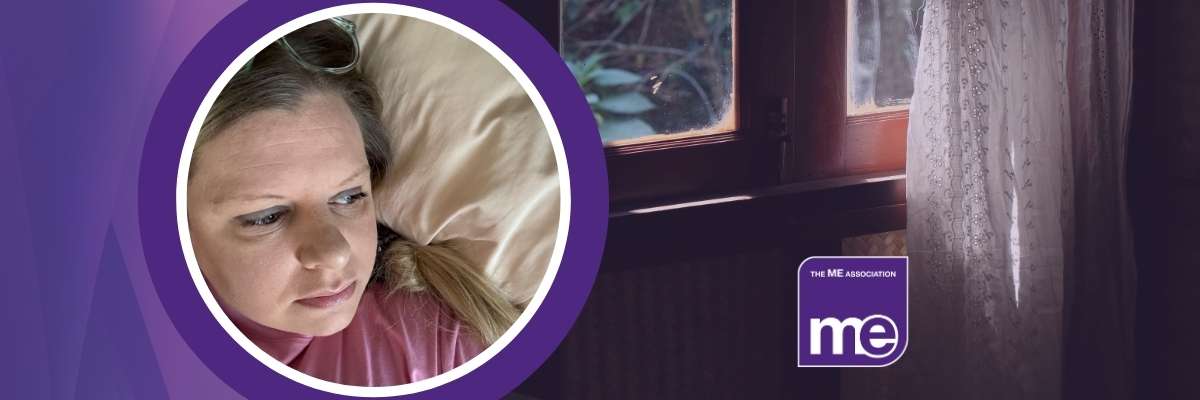
Photos of Hailee during a period of remission
Relapsing into severe ME
Everything changed after I suffered an injury during a workout, which eventually led to a double hip replacement and gallbladder surgery within one year. I believe the trauma of those surgeries triggered my ME to return.
At first, I tried to continue working and my team was very supportive. I reduced my hours because I found that after a day at work, I was so exhausted that I had to lie down. I was struggling. Slowly, everyday tasks around the house also became impossible, and I had to stop working. As my symptoms worsened, I needed a mobility scooter to help me get to the shops, but even that was too much and I became bedbound and relapsed into severe ME. Mobility aids are often viewed negatively, but it’s not a sign of limitation – choosing to use one is a positive, proactive step that helps people maintain their independence, confidence and quality of life.
Severe ME
One of the things I want people to understand is that severe ME is almost impossible to fully explain unless you live through it.
A specialist ME doctor once described it to me as being like waking up with a phone battery that is already almost empty, except your body starts the day already in the negative – it’s a description that resonates with me.
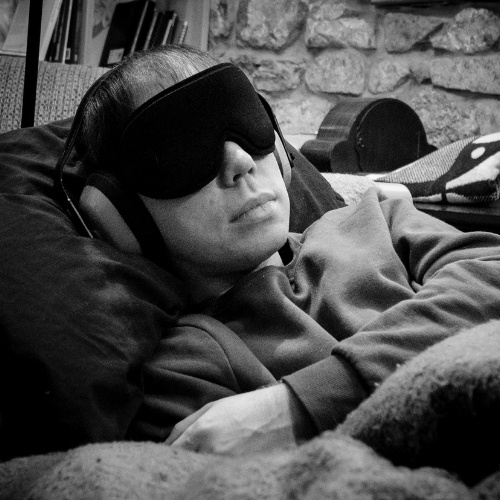
When I wake up each morning, I have virtually no energy. I live with constant pain, particularly in my arms and legs. I experience frequent migraines, severe brain fog and overwhelming exhaustion. I spend most of my life confined to my bedroom.
Even the smallest amount of activity can trigger a crash, and sitting upright in bed or having a conversation can push my body beyond its limits.
On better days, I may be able to walk independently to the bathroom or have a shower, but I have to carefully choose the right moment because I typically only have around three minutes of standing tolerance before my energy runs out.
Occasionally, I can make it downstairs. Often, if I use my energy on one task after waking up, that is all I can manage for the rest of the day.
My husband has become my main source of support. He does all the cooking, manages the household and supports our son ensuring he gets to school, clubs and the activities he enjoys. There are times when my symptoms are so severe that I cannot even sit for dinner.
To make life more manageable, adaptations have been made to my bedroom. I have a kettle and a mini fridge so that I can access basic necessities when going downstairs is impossible.
Coping with severe ME
During the brief periods when my body can tolerate sound and light, I look for small ways to escape the limitations of severe ME. I enjoy listening to podcasts and audiobooks. Occasionally, I watch live court proceedings and have even learned a little about the law. It also allows me to feel connected to a world outside my bedroom.
I also enjoy journaling and rewatching familiar television programmes as new programmes require too much concentration.
Leaving the house is extremely rare, apart from for essential appointments.
Challenges across the NHS and benefits system
One of the hardest parts of living with severe ME is feeling invisible, and like a second-class citizen. I want healthcare professionals to see me, believe me and support me, but I have had to fight for appropriate care, even when I was too ill to advocate for myself.
Trying to challenge decisions, explain my condition repeatedly and push for appropriate support requires energy that people with severe ME simply do not have. I felt close to giving up and trying to make my voice heard.
Navigating the NHS and benefits system is a huge challenge. Some healthcare professionals do not fully understand the severity of the condition. As someone who has lived through both remission and relapse, I know that ME is a very real and debilitating physical illness. Having to continually justify my symptoms and limitations can feel demeaning and distressing.
Despite a long wait, I feel fortunate to now have the support of both an ME specialist and an occupational therapist.
The benefits system is just as challenging. Before relapsing, I had never claimed benefits in my life. The benefits process has been a battle which requires physical and mental energy that people with severe ME do not have.
Hope keeps me going
When I look back to my teenage years, I wonder how much progress has truly been made. There is still a need for greater awareness, better support and more funding into research that could lead to effective treatments and a cure. However, I remain hopeful.
My symptoms disappeared completely during my twenties and thirties. I have experienced recovery before, and there is no evidence to say that improvement cannot happen again. Even if I could simply spend more time with my family and friends, and enjoy everyday activities, it would make an enormous difference.
I don’t grieve the life I once had. Instead, I’m grateful for the experiences I enjoyed and the memories I made. Therapy and CBT* have helped me navigate that transition to where I am today.
Hope is what keeps me going. It is what helps me face each day. Without that hope, it would be much harder to endure the challenges that severe ME brings.”
N.B. *Certain therapies may help some people to deal with the emotional aspect of having ME/CFS and isolation, as a chronic long-term illness (with currently have no effective treatments or a cure) can be understandably difficult to deal with and especially due the effect on mental health. However, we are all individuals and what may help one person may not be suitable for another person with this disease.
See 2021 NICE Guideline on ME/CFS Box 5 for recommendation surrounding CBT

Severe ME Awareness Week 2026:
3rd-9th August