

Severe ME Awareness Week 2026:
3rd-9th August



What is Severe ME?
It is estimated that at least 404,000 people in the UK have Myalgic Encephalopathy – the name we prefer – Myalgic Encephalomyelitis, or Chronic Fatigue Syndrome (ME/CFS) and around 25% of these people may have severe or very severe symptoms for prolonged periods.
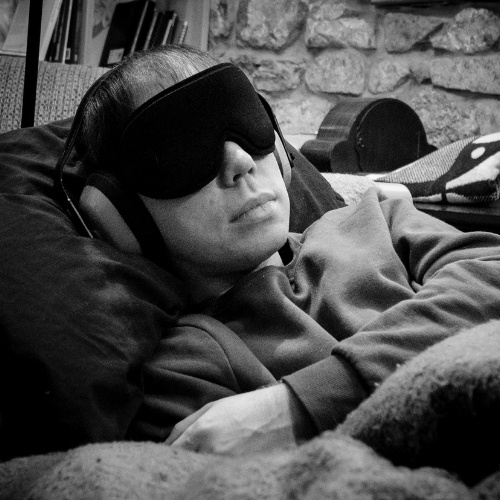
The severity and intensity of ME symptoms means that people can be housebound/bedbound for years often needing 24 hour care to maintain activities of daily living (personal hygiene, using the toilet, eating & drinking etc), and they often lay in dark rooms due to hypersensitivity to light as well as others sensitivities to sound, smells, and touch.
In very severe cases people with ME can need medical intervention to maintain nutrition via either a nasogastric tube (NG) or a permanent percutaneous endoscopic gastrostomy (PEG) feeding tubes and therefore may need input from a community nursing team with the aim to help manage these severe symptoms.
** Trigger Warning: Upsetting Content **
People with severe ME often mention they feel they are existing, not living, and as a consequence the disease can have a devastating impact on their mental health. Patients have suffered decades of misunderstanding and misconceptions, which has further compounded the effects of this life changing illness. Sadly some people with severe ME have passed away and others have taken their own life due to this debilitating disease.
ME CONNECT HELPLINE
The ME Association understands that this illness is extremely difficult to deal with on a daily basis and would like to encourage anyone needing support including family members to call our ME Connect support line
SAMARITANS
If you feel distressed and need help outside our helpline hours please reach out to speak with the Samaritans on their free helpline
Support the ME Association:
The ME Association will continue to campaign to raise awareness of the inequalities affecting this large patient community and we aim to achieve respect and fair treatment for all. We also fund and support vital biomedical research and offer education and training for healthcare professionals who want to learn more about this often misunderstood medical condition.
See what we’re doing to make a difference
